

The most memorable spaces don’t just look good; they change how we experience them. The quality of light, the views we connect with, and the comfort we feel, all shape our relationship with a space. As homes embrace the refinement of hospitality and hotels create more personal, immersive experiences, expectations of design are evolving. Glass plays a vital role in this shift, connecting interiors with the outdoors while balancing daylight, privacy, and thermal comfort. The challenge lies in bringing these possibilities together to create spaces that respond to the people who use them and the places they inhabit.
These ideas shaped the Saint-Gobain Glass Academy webinar, Homes & Hospitality Through Glass: Designing for Changing Lifestyles. Featuring perspectives from architectural practice, design education, and the window industry, the session brought together Ar. Bharat P, Founder and Principal Architect of Make Sense Design; Ms. Puja Anand, Professor at IIAD, New Delhi, with over 26 years of experience in design practice and education; and Mr. Faheem Mohammed, Product Head for the Windows category at Saint-Gobain India.
Together, they explored how thoughtful design, material choices, and technical understanding can shape the future of homes and hospitality spaces.

1. Living vs. Staying: Designing for Different Experiences
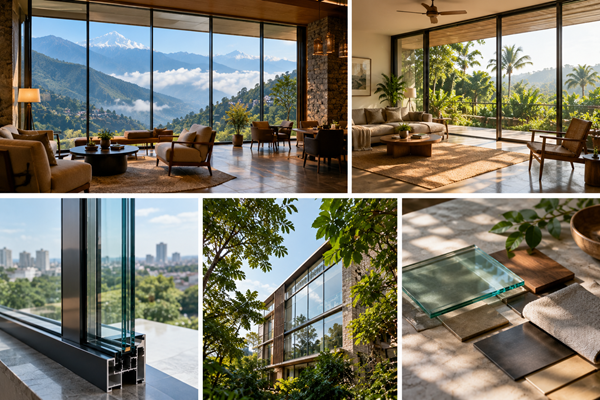
What makes a home feel different from a hotel? For Ar. Bharat, the distinction lies in the experience each space is intended to create. A home should offer peace, familiarity, and comfort through everyday routines. Hospitality, on the other hand, has the opportunity to create a memorable experience within a shorter stay.
Ms. Puja approached this distinction through the idea of long-term versus short-term comfort. A home must accommodate the routines, preferences, and privacy needs of its occupants over time. Hospitality spaces serve different users and must balance comfort with a distinctive experience.
Both perspectives highlight why design cannot rely on aesthetics alone. A home inspired by a hotel may look appealing, but its layout and materials must still support the way its residents live.
Ar. Bharat illustrated this through cultural practices in Sikkim and the Northeast, where the kitchen often functions as a central social space. Design decisions that overlook such habits can feel disconnected from the people who use them.
What should designers consider?
- Everyday routines: How do occupants interact with the space?
- Cultural context: Which local practices shape how spaces are used?
- The intended experience: Should the space prioritise familiarity, privacy, discovery, or a combination of these?
Understanding these differences helps designers create spaces that feel purposeful rather than simply fashionable.
2. The Changing Expectations from Glass and Windows
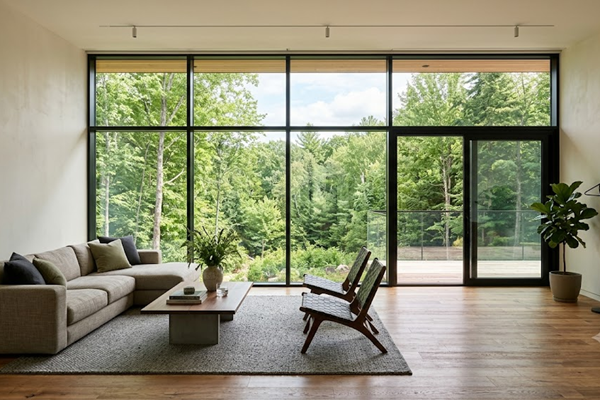
Windows are no longer viewed merely as openings for light and ventilation. As Mr. Faheem observed, occupants increasingly expect them to open and close reliably, minimise outside noise, resist water ingress, and reduce maintenance concerns.
This shift is changing how glass and window systems are specified in both homes and hospitality projects.
Larger glazed openings can bring in natural light and frame outdoor views, but their benefits depend on how they perform. In India’s bright climate, clear glass may allow unwanted heat and glare into interiors, causing occupants to keep curtains closed and lose the benefits of daylight.
Mr. Faheem highlighted how appropriately selected high-performance glazing can help reduce solar heat gain and ultraviolet transmission while maintaining useful daylight and views. He also challenged the assumption that glass appearing darker from outside will necessarily make an interior feel dark.
A well-considered window system should:
- Bring in natural light while managing glare and solar heat gain.
- Support thermal and acoustic comfort.
- Provide suitable privacy and weather protection.
- Deliver reliable operation and manageable maintenance.
For designers, the opportunity lies in selecting glass and window systems that enhance the experience of a space while meeting its performance requirements.
3. Designing for Comfort, Privacy and Natural Light
Comfort is not a single design outcome. It emerges from the relationship between light, temperature, privacy, acoustics, and the way people use a space.
Ms. Puja emphasised that students must understand how these needs differ between residential and hospitality settings. In a home, occupants may want fresh air, connections with family members, and the freedom to personalise their surroundings. In a hotel, guests may prefer a controlled indoor environment, greater separation from the outside world, and a more curated experience.
Mr. Bharat brought another dimension to the discussion through his work in densely-built Himalayan settlements. Where neighbouring buildings restrict sunlight and views, he considers natural light a valuable resource and carefully positioned windows and skylights can transform interiors while maintaining privacy.
Mr. Faheem’s perspective complements this approach: the performance of the glazing matters just as much as the size of the opening. Choosing suitable glass can help occupants benefit from daylight without compromising on thermal comfort.
The design challenge is to bring these considerations together rather than treating them as separate decisions.
4. Glass as Part of a Climate-Responsive Design Strategy
The performance of glass cannot be separated from the climate and conditions in which a building is located.
Drawing from projects in Sikkim, Ar. Bharat explained how cold temperatures, heavy rainfall, moisture, wind, and challenging terrain influence window selection and construction detailing. Large openings must be considered alongside wind loads, insulation, drainage, and the building’s orientation.
In a project designed to frame views of Gangtok, professional consultation helped identify a system-aluminium solution best suited to the project’s specific requirements. The example illustrates how technical collaboration can help translate a design intention into a practical solution.
Mr. Faheem introduced two important parameters for evaluating thermal performance:
- U-value: Indicates how readily heat passes through a building component. A lower U-value generally means better thermal insulation.
- Solar Heat Gain Coefficient (SHGC): Measures how much incident solar radiation enters a space as heat. A lower SHGC generally means less solar heat gain.
Their relevance depends on the local climate. Hot, sunny regions often require greater control over solar heat gain, while colder regions place greater emphasis on limiting heat transfer. Locations experiencing both hot summers and cold winters may need solutions that address both.
As Ar. Bharat’s work demonstrates, these technical decisions must also respond to local conditions, construction methods, and the needs of the people using the building.
5. Choosing Materials That Work Together
Glass rarely works in isolation. Its contribution to a space depends on how it interacts with framing systems, other materials, and the wider architectural design.
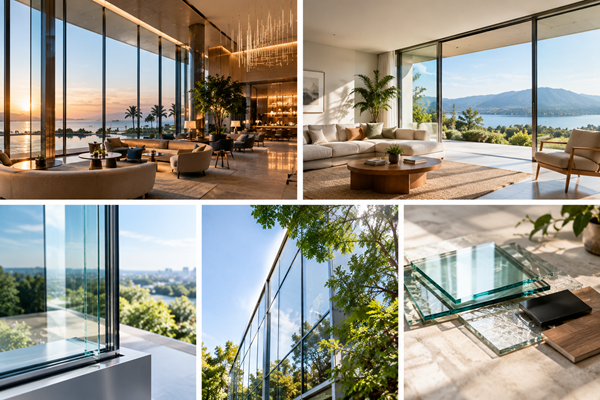
Ms. Puja encouraged students to experiment with combinations of glass and wood, metal, and fabric. She noted that although wood and glass are frequently paired, there is still room to explore more creative applications. Such combinations can introduce contrast, texture, warmth, and varied sensory experiences.
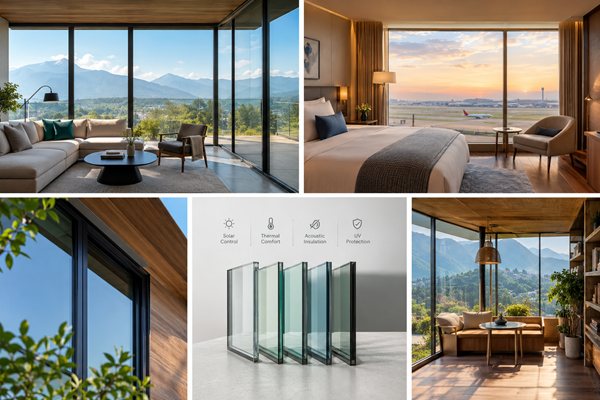
Her example of the Andaz Hotel at Aerocity, Delhi, demonstrates how glass can also shape a memorable hospitality experience. Selected guest rooms offer views of the airport runway, making the most of the hotel’s location and turning the view itself into part of the guest experience.
For Ar. Faheem, material selection must also account for durability and application. uPVC can be a practical option for residential windows where thermal performance, acoustics, and value are priorities. Aluminium and steel may be more appropriate for applications requiring greater durability or slimmer sightlines, such as high-use entrances and hospitality lobbies.
The right material choice depends on:
- The intended function and frequency of use.
- Thermal, acoustic, and structural requirements.
- The desired visual character and material palette.
- Installation, maintenance, and budget considerations.
There is no single material or window system that suits every project. The objective is to find the right combination for the intended user and application.
6. From Design Education to Real-World Application
Ms. Puja highlighted a significant shift in design education: moving from hypothetical studio briefs towards projects involving real clients. This allows students to understand how requirements vary between users and how budgets, site conditions, and practical limitations influence design decisions.
She encouraged students to study the context before selecting materials, considering questions such as whether a space needs more daylight or solar protection, and how a material’s properties support the intended function.
Case studies are equally valuable. Examining completed projects helps students understand how different materials and design strategies work together in specific settings.
For emerging architects and designers, this learning can extend beyond the studio:
- Visit manufacturer and material experience centres.
- Explore materials through physical samples and practical demonstrations.
- Study projects that respond to different climates and user needs.
- Consult technical experts to understand performance and feasibility.
Looking towards 2047, Ms. Puja emphasised the importance of becoming responsible, adaptable, and empathetic designers. Experimentation is essential, but it must be guided by an understanding of people, materials, sustainability, and local context.
Key Takeaways
- Design around people: Understand the routines, preferences, and expectations of occupants.
- Balance aesthetics and performance: Consider daylight, privacy, thermal comfort, and acoustics together.
- Respect the context: Let climate, culture, site conditions, and local needs guide decisions.
- Choose materials intelligently: Match glass and window systems to the building’s function and requirements.
- Collaborate early: Work with manufacturers and technical experts to understand product capabilities.
- Experiment responsibly: Explore material combinations while considering feasibility and sustainability.
Designing Spaces People Want to Return To
Homes and hospitality spaces may serve different purposes, but both rely on the relationship between design and human experience. A home should support everyday life and belonging; a hospitality space should offer comfort and a memorable sense of place.
Through their distinct perspectives, Ar. Bharat, Ms. Pooja, and Mr. Faheem demonstrate that achieving these outcomes requires more than choosing the right glass. It involves understanding cultural context, designing for the needs of occupants, exploring materials creatively, and ensuring that each system performs as intended.
Ultimately, the future of residential and hospitality design lies in bringing human experience, material intelligence, and technical performance together to create spaces that people value, remember, and want to return to.
Author: Rebbeca


