Transparency in the Architecture of Tomorrow: Strength, Sustainability and the Evolving Role of Glass
As buildings are pushed to become more energy-efficient, climate-resilient, and environmentally responsible, architects face a critical question: Can transparency coexist with sustainability? For decades, glass has symbolised openness and modernity. Today, it is expected to do much more, balancing daylight, comfort, strength, and environmental performance.
Advances in glazing technology have expanded its possibilities beyond transparency, enabling it to contribute to thermal comfort, daylight optimisation, and improved building performance. From structural applications and selective coatings to low-carbon manufacturing, glass continues to evolve as a material that brings together architectural expression, technical innovation, and sustainability.
These ideas formed the focus of a special World Architecture Month webinar hosted by Saint-Gobain Glass Academy in collaboration with Ethos Empowers and Saint-Gobain India. Titled Strength & Sustainability: Transparency in the Architecture of Tomorrow, the discussion brought together three professionals whose perspectives span architecture, material innovation, and sustainability.
The panel featured Ar. Nikhil Richard, Founder and Principal Architect of Richard Architecture Studio in Tenkasi (Tamil Nadu); Ar. Asim Bikash, Principal Architect at Half Brick Architects, Kolkata, and Mr Venugopal R, Founder and Managing Partner at Climacto and a sustainability specialist with extensive experience in ESG, product sustainability, and building performance.
Together, the conversation explored how glass is evolving from a conventional façade material into a high-performance building component capable of addressing some of architecture’s most pressing challenges.
Reimagining Transparency
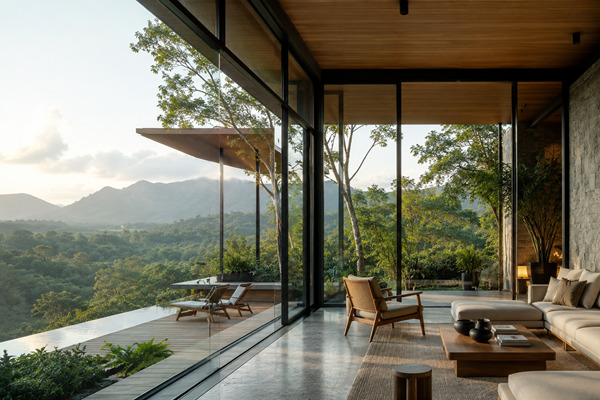
Glass contributes to spatial quality, comfort, and a seamless dialogue with the landscape.
Working amid the landscapes of the Western Ghats, Ar. Nikhil Richard described glass as an element for connecting people with their surroundings. Whether designing resorts or residences, transparency allows architecture to capture views, natural light, and the changing moods of the landscape and skies without compromising on the experience of the place.
Ar. Asim Bikash echoed this sentiment, viewing glass as a medium that connects interior and exterior environments rather than acting as a physical separator. In his practice, glazing is considered from the earliest stages of design, ensuring that it becomes an integral part of the architectural design.
This shift in thinking reflects a broader transformation within contemporary architecture. Glass is now perceived as an active contributor to spatial quality, comfort, and performance.
Modern Glass Combines Strength with Elegance
One of the recurring themes throughout the webinar was the need to move beyond the conventional perception of glass. Advancements in toughened, laminated, and heat-strengthened glass have significantly expanded its structural capabilities, making it favourable for façades, floors, skylights, and large-span applications.
Ar. Nikhil highlighted laminated glass as one of the most transformative developments in recent years. For projects in the hilly terrains of southern India, where clients seek uninterrupted views without compromising on safety, laminated glass offers both transparency and resilience.
Similarly, Ar. Asim emphasised that structural glass has challenged long-held assumptions about strength. Today, architects are increasingly comfortable using glass in applications that were previously unimaginable, redefining the possibilities of contemporary architecture.
The contrast is significant: glass is no longer valued only for its visual lightness. With the appropriate specification and structural design, it can also meet demanding safety and performance requirements.
Designing with High-Performance Glass
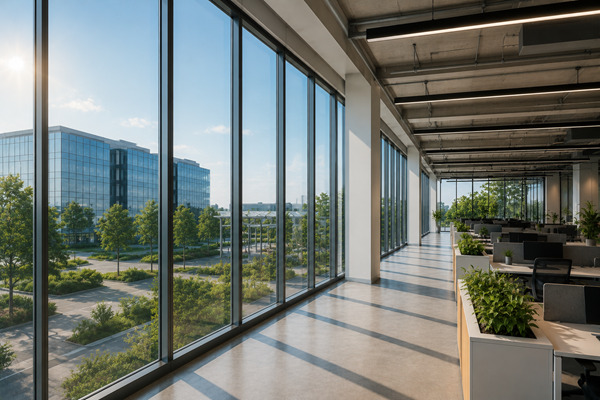
Modern glazing solutions enable buildings to respond more intelligently to light, heat, and changing environmental conditions.
Mr Venugopal R rightly emphasised that glass is among the most highly engineered materials used in buildings.
Its performance begins long before construction and is heavily influenced by decisions made at the design stage. Factors such as window-to-wall ratio, orientation, climate, and daylight requirements determine which type of glazing is most appropriate.
A solution that performs well in Chennai, he explained, may not necessarily work in Delhi or Kolkata. Different climatic zones require different responses. He also introduced the concept of selectivity, a characteristic of modern high-performance glass. Selective coatings allow natural daylight to enter while significantly reducing solar heat gain, ensuring interiors remain bright without increasing cooling loads.
In warm climates, such innovations can substantially improve occupant comfort while reducing dependence on mechanical devices, promoting energy-efficient building design.
The distinction between operational and embodied carbon is particularly relevant here. Operational carbon is associated with the energy a building consumes during use, while embodied carbon accounts for emissions associated with materials and their production and lifecycle.
Sustainability Through the Three Ps
Mr Venugopal framed sustainability through the lens of three interconnected dimensions: People, Planet, and Performance.
From a people perspective, glass contributes to occupant well-being through influencing thermal comfort, acoustics, daylight quality, and safety. Advanced glazing solutions can regulate heat, reduce noise, and boost visual comfort, directly modifying how spaces are experienced.
From the planet’s perspective, the discussion shifted to embodied carbon and circularity. Unlike many building materials, glass is infinitely recyclable. End-of-life glass can be reintroduced into the manufacturing cycle, turning it into an important component in the transition toward circular construction.
Performance, the third pillar, connects sustainability with long-term value. High-performance glazing lowers energy consumption, reduces operating costs, and enhances climate resilience, delivering environmental responsibility and economic efficiency.
Innovation Is Expanding the Possibilities of Glass
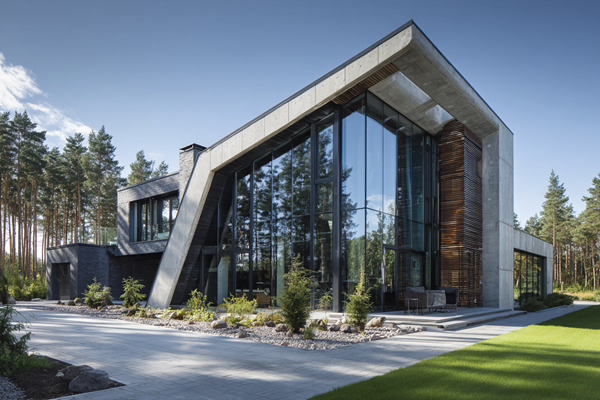
Modern glazing solutions enable buildings to respond more intelligently to light, heat, and changing environmental conditions.
Material innovation is rapidly changing what glass can achieve.
The panel discussed several developments that are shaping the future of architectural glazing:
- Large-sized glass panels that reduce wastage and improve fabrication efficiency.
- Electrochromic glass capable of adjusting its tint based on external conditions.
- Low-reflective coatings that improve visual clarity and reduce internal reflections.
- Hydrophobic nano-coatings that enhance maintenance and self-cleaning performance.
- Low-carbon glass with significantly reduced embodied carbon.
- Smart glazing systems that operate dynamically to changing environmental conditions.
These technologies are transforming glass into a material that actively participates in environmental control.
Climate-Responsive Material Selection
Another key takeaway was that there is no universal glazing solution. India’s diverse climatic conditions demand context-sensitive material choices. Coastal environments, cyclone-prone regions, and areas with extreme temperature fluctuations each require different levels of performance.
For architects, this means understanding parameters such as:
- Solar Heat Gain Coefficient (SHGC)
- U-value
- Visible Light Transmission (VLT)
- Window-to-Wall Ratio (WWR)
- Orientation and local climatic conditions
Such considerations ensure that glazing contributes positively to energy-efficiency, occupant comfort, and building durability.
Designing with Responsibility
Interestingly, the conversation reached beyond human comfort and energy performance.
Ar. Nikhil shared an example from one of his projects where glazing was intentionally tilted to reduce bird collisions. Inspired by studies showing the impact of reflective façades on avian life, this approach showed how architectural decisions can contribute to biodiversity and ecological sensitivity.
It functioned as a reminder that sustainability encompasses far more than energy metrics. Responsible architecture considers the wider environmental systems within which buildings exist.
Reflectivity, transparency, and façade geometry can influence the surrounding ecosystem, making ecological considerations an important part of material selection and architectural detailing.
Advice for Young Architects
Towards the end of the session, the speakers offered valuable insights for emerging professionals.
Ar. Asim encouraged architects to move beyond viewing glass as a decorative skin and instead treat it as an integral design component.
Ar. Nikhil shared the importance of exploring multifunctional glazing systems and adaptive technologies that can respond to changing environmental conditions.
Mr Venugopal advocated continuous upskilling, urging architects to deepen their understanding of material properties, regulations, embodied carbon, and emerging sustainability frameworks. With more than half of the buildings that will exist in 2050 yet to be constructed, the decisions made by today’s young professionals will have a lasting impact on the built environment.
The webinar highlighted how transparency is evolving in contemporary architecture, with glass becoming a material that delivers structural strength, occupant comfort, climate resilience, and environmental accountability to meet the challenges of tomorrow.
Author: Jahanavi Arora