Designing for Climate Resilience: Energy, Envelope & the Role of Glass
As climate change accelerates and urbanization intensifies, the architecture and construction industry is under immense pressure to evolve. Designing buildings that are not only aesthetically pleasing but also climate-resilient, energy-efficient, and occupant-centric has become essential. A recent webinar titled “Designing for Climate Resilience, Energy Envelope, and the Role of Glass”, organized by Saint-Gobain’s Glass Academy in collaboration with Ethos Empowers, brought this urgent conversation to the forefront.
Led by two highly respected professionals—Dr. Poorva Keskar, an ESG strategist, environmental planner, and partner at VK:e Environmental, with over a decade of experience in environmental impact assessment, sustainable architecture, and urban planning. A NABET-accredited EIA coordinator, she serves on expert committees for BEE, GRIHA, and the eco-sensitive zones of Mahabaleshwar and Panchgani.
Ar. Vinita Lulla is an architect, educator, and IGBC Accredited Professional known for her work in sustainable architecture and environmental systems. A core faculty member at SMEF’s Brick School of Architecture, she has guided student teams to success in the Solar Decathlon India and other national competitions. With a Master’s in Environmental Architecture, she also consults with VK:e Environmental and has presented research internationally.
Moving Beyond Aesthetics: The Real Role of Glass in Architecture
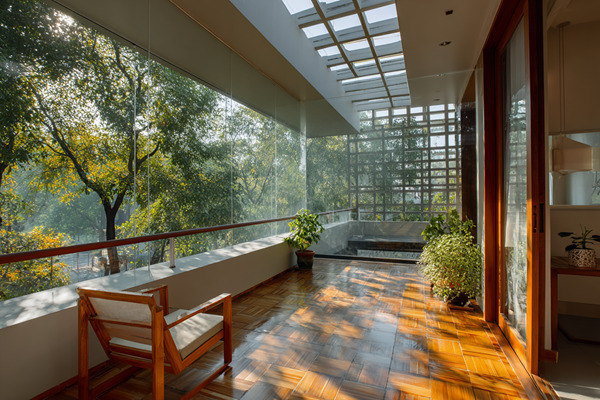
High-performance Glass Solutions for Windows and Skylights Reducing Heat Gain and Glare
Glass, often hailed for its aesthetic appeal and smooth finishes, is one of the most multidisciplinary materials in architecture. The webinar emphasized that inherent value of glass lies in how thoughtfully it is specified and applied within the design context.
Understanding Performance Metrics
The speakers introduced key technical parameters that must guide glass selection:
- U-value: Measures the rate of heat transfer—lower values mean better insulation.
- Solar Heat Gain Coefficient (SHGC): Indicates how much solar radiation passes through; a lower SHGC helps reduce heat gain in warm climates.
- Reflective Index and Visual Light Transmission (VLT): Affects glare control and indoor lighting quality.
These metrics should not be afterthoughts. They are central to optimizing indoor comfort, energy efficiency, and daylighting, particularly in India’s diverse climate zones. The panel emphasized that ignoring these parameters often leads to poorly performing buildings—uncomfortable, energy-intensive, and environmentally unsustainable.
Building Physics as the Bedrock of Sustainable Design
Dr. Keskar shared her professional evolution from traditional design to sustainability advocacy rooted in building science. Her message was clear: aesthetics alone cannot define good architecture. Real performance emerges from understanding heat transfer, air movement, daylight behavior, and occupant well-being.
This scientific foundation is the cornerstone of high-performance buildings and is essential for achieving climate resilience. Green building certifications such as IGBC, GRIHA, and LEED are deeply rooted in these principles, validating designs that holistically address energy, water, material use, and indoor environmental quality.
The Role of Education in Shaping Sustainable Practice
Architect Vinita Lula highlighted an often-overlooked factor in sustainability, architectural education. According to her, instilling climate literacy and sustainability thinking early in a student’s journey is critical to nurturing the next generation of environmentally responsible architects.
She advocated for a curriculum that goes beyond studio design, integrating:
- Climate analysis
- Passive design strategies
- Material lifecycle awareness
- Building performance simulation tools
This educational reform is key to embedding sustainability not as an add-on, but as a core design mindset.
Designing for Daylight, Comfort, and Energy Savings
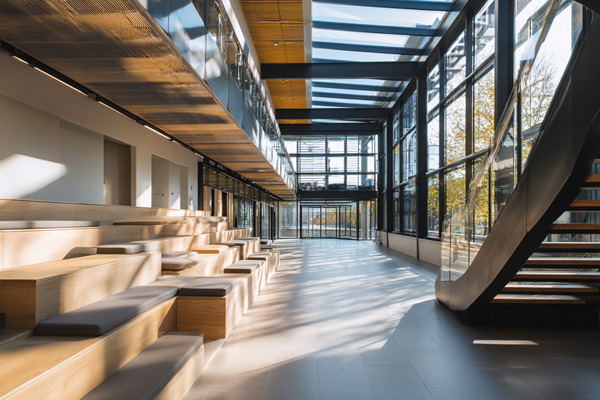
Double Glazed Units Enhance Energy Performance and Green Ratings.
The webinar made a compelling case for the strategic use of glass. Through real-world case studies, the panel showed how thoughtful selection and placement of glass can drastically reduce energy loads, enhance natural lighting, and improve occupant mental well-being.
An optimal Window-to-Wall Ratio (WWR) should ideally be around 40% or lower, depending on the building’s orientation and local climate, as higher ratios can lead to increased heat gain and glare. While glass is a key architectural element, relying on it alone for daylight or aesthetics can compromise thermal comfort and energy efficiency. Therefore, it should be integrated with shading devices, double glazing, and low-emissivity (low-E) coatings to enhance performance. Moreover, excessive use of reflective or tinted glass without proper climatic analysis can contribute to glare, urban heat island effects, and occupant discomfort. A climate-responsive and well-balanced approach to glass use is essential for creating sustainable and comfortable built environments.
Operational vs. Embodied Energy: A Balanced View
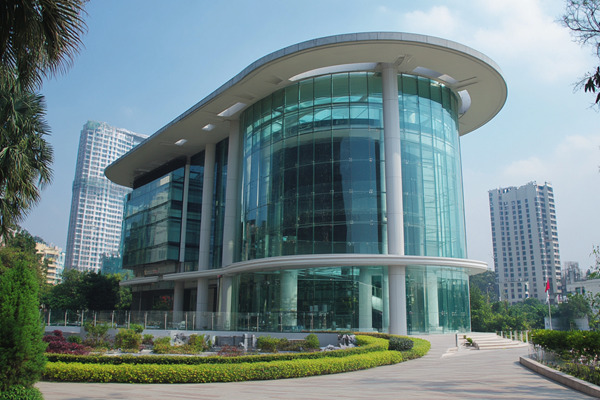
Orae Low-Carbon Glass with Solar Control Coating Boosts Sustainability and Energy Efficiency in Buildings
A critical conversation in sustainable construction today revolves around balancing operational and embodied carbon, ensuring that the long-term energy savings of a building do not come at the cost of a significant upfront environmental impact. This is where innovations like ORAE by Saint-Gobain are reshaping the conversation. Engineered with 70% recycled content and manufactured entirely with renewable energy, ORAE helps cut embodied carbon by over 50%, enabling architects to make more responsible material choices that align with net-zero and green building goals without compromising design intent.
The Future of Glass: Beyond Transparency
Both Dr. Keskar and Architect Lula shared enthusiasm for emerging innovations such as energy-generating glass—materials embedded with photovoltaic technology that can generate electricity from sunlight.
This points to a future where glass is not just passive but becomes an active contributor to a building’s energy needs, helping achieve net-zero energy goals. These innovations promise to bridge the gap between aesthetics and performance, pushing the boundaries of what façades can do.
Practical Advice for Students and Young Professionals
One of the most empowering aspects of the webinar was its focus on action-oriented guidance for emerging professionals:
- Engage with green building frameworks like IGBC, GRIHA, and LEED early through coursework, design competitions, or internships
- Learn simulation tools such as EnergyPlus, DesignBuilder, or eQuest to model performance
- Seek mentorship and experience in firms focused on sustainable design
- Treat certifications not as checklists, but as tools for holistic design thinking
This hands-on, proactive approach is essential for cultivating future-ready architects who are both technically competent and environmentally conscious.
Strengthening the Sustainability Ecosystem
The session emphasized that real transformation in the built environment requires active collaboration between academia, industry, and policymakers, as each stakeholder brings unique strengths to the table. Academia plays a crucial role by driving research and shaping future professionals through education. Industry contributes through practical application, innovation, and technological advancement. Policymakers, on the other hand, are essential in creating enabling frameworks, regulations, and incentives that support sustainable practices.
When these three forces align, India can develop localized, scalable solutions that are not only technically sound but also responsive to its diverse climatic conditions and socio-economic realities.
The Mindset Shift We Need
Perhaps the most powerful insight came from Dr. Keskar’s journey, her shift from focusing on aesthetics to becoming an advocate for performance-driven design. She reminded attendees that true sustainability stems from curiosity, long-term commitment, and a willingness to evolve.
This mindset, not just skill or technology, will define the success of our response to climate change. As architects, planners, and students, adopting a purpose-driven approach can lead to small, consistent actions that make a large collective impact over time.
As India confronts the dual challenges of urban growth and climate risk, the next generation of architects and designers will play a pivotal role in shaping a climate-responsive, energy-smart, and human-centered built environment. By combining innovative materials, contextual design thinking, and sustainable glass solutions, they can create resilient spaces that harmonize with nature while meeting the demands of modern living.
Author – Dhruti Muzumdar