Integrating Design, Materials And Management In Architectural Practice
Glass is more than just a symbol of modern architecture; it is a transformative medium that bridges innovation, environment, and human experience. Across contemporary skylines and large-scale developments, glass doesn’t just enclose space; it shapes how buildings behave, how people interact with their settings, and how sustainability ambitions are realized. But with its allure comes a series of challenges: climate, heat gain, glare, acoustics, privacy, and practicality must all be meticulously balanced. When addressed intelligently, glass evolves from a mere surface to a high-performance design solution.
This theme was highlighted in a recent webinar by Saint-Gobain’s Glass Academy with Ar. Arun Raja Mohan, Lead Architect at KKVINDC. Ar. Arun Raja Mohan brings over 20 years of experience in architectural planning, interior design, project management, site management, and client management across diverse projects spanning residential, hospital, commercial, and corporate office sectors.
Integration of Design and Management
At the heart of a successful architectural practice, Ar. Arun emphasized, is the seamless integration of creative design thinking with pragmatic project management. He believes that every good project begins with a clear concept, and design starts with understanding the purpose of the space: its function, feel, and required performance. Once this concept is set, it becomes the foundation for sketches, plans, and 3D visuals that stay rooted in practicality. This process is not isolated; rather, it requires continual alignment of design ideas with planning, material sourcing, and timely execution. For Ar. Arun, aligning the “what” and “how” is what brings robust projects to life.
The Role of Glass in Practice
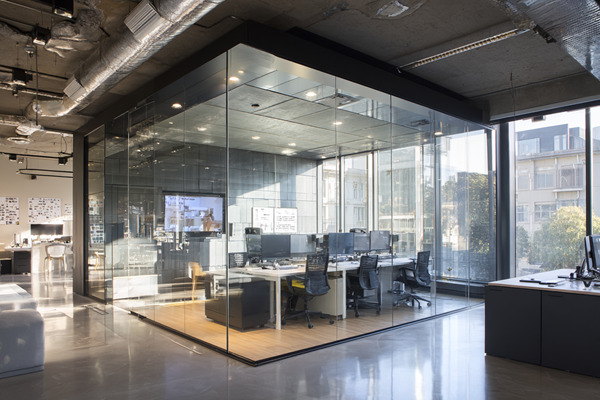
Ar. Arun illustrated how glass is never a “one-size-fits-all” material. Its application must be tailored for each project type and context to meet both aesthetic and performance goals. In residences, glass brings in daylight, creates openness, and blurs boundaries with outdoor spaces. In offices, it is used both for natural light and for acoustic control, with choices like double-glazed or laminated glass supporting thermal comfort and privacy.
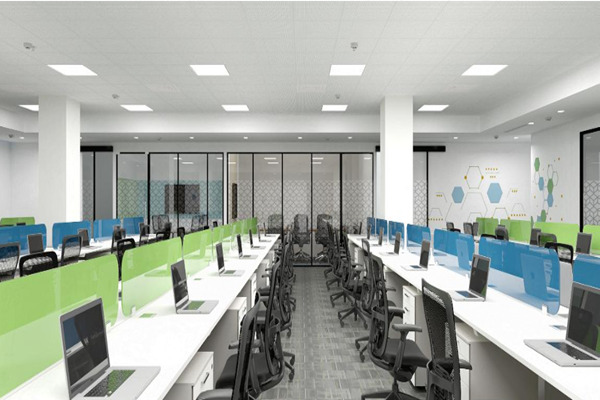
He stressed that glass is not chosen solely for looks; each specification weighs site climate, orientation, program needs, and even factors such as maintenance and cost. For example, full-height sliding doors may dissolve indoor-outdoor boundaries in a home, while in a hot, humid office location, glass selection addresses heat, glare, and acoustics through solar-control coatings and efficient shading devices. Ar. Arun’s approach demonstrates how glass, when thoughtfully specified, elevates both experience and performance.
Learning from Diverse Projects
Drawing from his extensive project experience, ranging from homes and schools to hotels and data centres, Ar. Arun connects the importance of material honesty and custom detailing with the realities of execution. Using glass for its intrinsic qualities—openness for light, strength, and visual flow—ensures that each space feels authentic and tailored to its use.
He highlighted that the true value often emerges in careful detailing: where materials meet, how the inside flows to the outside, and in the subtle transitions engineered by honest craftsmanship. Collaboration is essential. Arun involves engineers, consultants, and vendors from the outset, so all decisions are made with full awareness of technical requirements, budget limits, and realistic construction timelines.
Principles for Effective Practice
Ar. Arun’s practical lessons for effective and integrated design are grounded in his project management philosophy:
- Early Decision Making: Schematic concepts are rapidly translated into technical drawings, which identify how materials will be joined and services routed, reducing the risk of later compromises.
- Team Coordination: A strong design comes from day-one collaboration with consultants, clients, and contractors, ensuring everyone’s expertise shapes the final outcome.
- Sensitivity to Budgets and Timelines: Each material is selected not just for its design intent, but after confirming availability, cost, and lead time with vendors to avoid delays or last-minute substitutions.
- Attention to Detail: Every intersection of glass, concrete, and other materials is meticulously considered, blending creative vision with technical solutions—right down to optimizing glass pane sizes to minimize wastage and costs.
Case Study: A Township Corporate Office
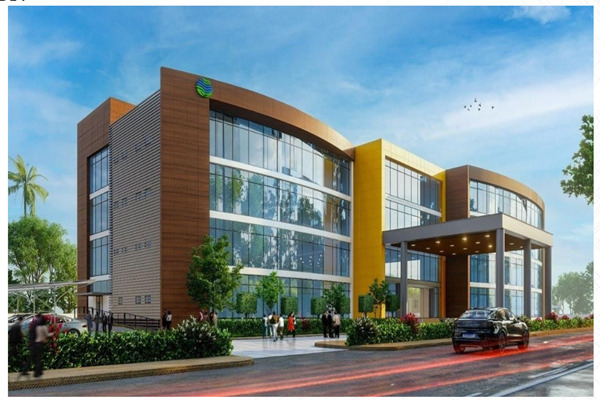
In a recent corporate office project within a large township in Odisha, these principles came to life:
- The site was carefully selected for convenience and separation from industrial activity, promoting a pleasant environment for employees.
- The façade assembled glass, ACP, wood, and granite, each selected for its performance. Glass was concentrated where daylight and exterior views were most valued, while other elevations balanced cost, durability, and aesthetics.
- Interiors reflected client branding and requirements, with each program element—cabins, meeting rooms, and cafeterias—precisely planned for both efficiency and experience.
- The team proactively worked with suppliers to confirm the availability of finishes and glass, planning material quantities well in advance to ensure timely execution and cost control.
- Building details, such as ceiling heights and service integration, were cross-checked with consultants to optimize comfort as well as operational costs.
Advice for Young Architects
Ar.Arun concluded the webinar with hands-on advice for emerging professionals: creativity is the soul of architecture, but true innovation is measured in what gets built. He urged young architects to keep practicality alive in their design process, engage closely with craftsmen, and produce drawings clear enough for those on site to execute. Understanding real site conditions, how materials are joined, and planning ahead for availability, he said, are what make designs both inspired and truly constructible.
Ar. Arun’s process, as detailed in the webinar, is a testament to the balanced art of designing with vision while executing with discipline. By rooting every choice in clear concepts, interdisciplinary teamwork, and honest material application, he demonstrates how large-scale projects leveraging glass can achieve elegance, sustainability, and lasting value, delivering impactful spaces that work as beautifully as they look.
Author- Shivanie Khanka