Transparency in Typologies: How Glass Transforms Every Space- Ar Siddarth Sankar
In today’s built environment, transparency is no longer a passive aesthetic choice—it is a deliberate architectural decision that shapes behaviour, comfort, healing, productivity, and connection. From tightly packed urban homes to hospitals and high-performance workplaces, glass is redefining how spaces are experienced rather than simply how they look.
A recent webinar titled “Transparency in Typologies: How Glass Transforms Every Space”, organised by Saint-Gobain’s Glass Academy in collaboration with Ethos Empowers, brought this urgent conversation to the forefront.
The session featured architect Ar. Siddharth Sankar, Partner at Sankar & Associates, who shared insights from over two decades of practice across residential, institutional, healthcare, and large-scale public projects in India and abroad.
Through real projects and candid reflections, the webinar explored how glass adapts across different building typologies and why mindful, context-driven use of transparency is necessary for future-ready architecture.
Architectural Journey and Design Philosophy
Ar. Siddharth Sankar’s journey into architecture was almost accidental, rooted in a childhood interest in art and comics and later shaped by global exposure. Having studied in Manipal and completed a master’s degree in the United States, with professional experience across Singapore, the US, and India, his design thinking has been shaped by diverse cultural, climatic, and professional contexts.
This layered experience has inspired a practice philosophy that values context-responsive architecture, multidisciplinary collaboration, and thoughtful material use.
Designing Across Typologies
From compact residences and studios to expansive medical college campuses, Sankar & Associates approaches architecture as an “all-terrain vehicle” practice—open to varied scales and building types. Working across typologies has reinforced an important lesson: design strategies must shift with scale, budget, socio-economic context, and user expectations.
The firm’s multidisciplinary structure – integrating architecture, interiors, structural design, and estimation – allows ideas to flow across project types.
How Glass Adapts Across Different Spaces
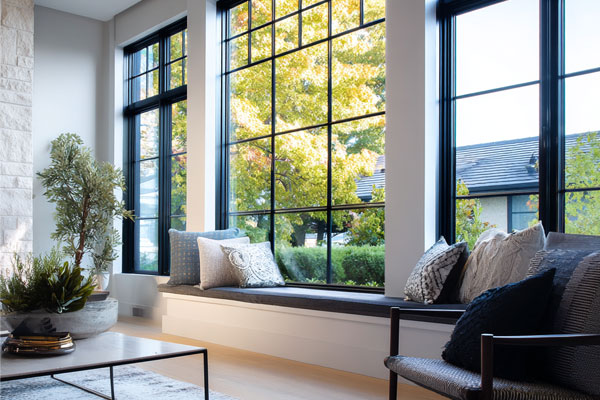
One of the most significant transformations in contemporary architecture is the evolving role of glass. Once limited to bringing daylight indoors, glass today, often defines the identity of a building.
- Residential architecture demands controlled transparency, balancing views, daylight, and privacy, especially in dense urban plots.
- Commercial buildings often use glass to express openness, aspiration, and modernity, while needing performance-driven solutions for heat and glare.
- Healthcare spaces use glass as a healing medium—connecting patients and caregivers to light, views, and human activity while maintaining hygiene and safety.
However, it is important that glass is used with sensitivity to context. In tropical climates like India, excessive or poorly detailed glazing can turn buildings into heat traps. The key lies in using high-performance glass solutions as a design tool for a functional-aesthetic balance.
Balancing Transparency with User Comfort and Privacy
Transparency is not universally perceived in the same way. Different user groups, such as residents, patients, students, and office workers, experience openness and enclosure differently.
According to Ar. Sankar, the first step in deciding transparency is understanding functionality: what kind of building it is and how people use it.
The second critical factor is climate and place. Transparency must be celebrated where it enhances comfort and connection, and controlled where privacy, safety, or cultural norms demand enclosure. This balance ensures that glass supports, rather than disrupts, the user experience.
Glass Usage in Spatial Planning
When integrating glass into a project, several interconnected factors shape decision-making:
- Orientation and microclimate
- Desired daylight quality—direct or diffused
- Visual connectivity versus privacy
- Heat gain, glare, and shading requirements
- Zoning and programmatic needs
With advancements in glass technology—such as switchable glass, one-way mirrors, and high-performance solutions ( solar control or low-e)—glass has become more fluid and inspiring. This allows architects to fine-tune transparency rather than treat it as a fixed condition.
Glass in Healthcare Architecture
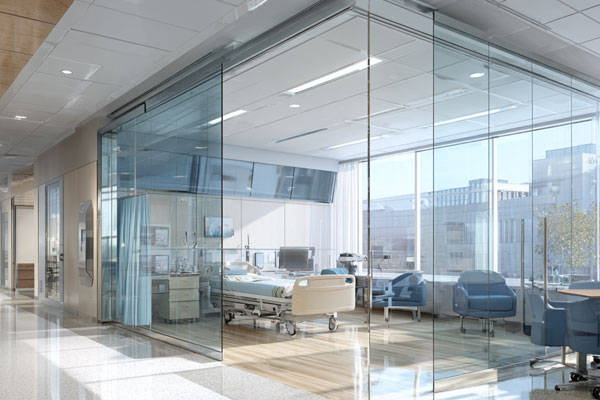
One of the most compelling discussions in the webinar focused on healthcare design. In a current hospital project, traditional ICU curtains are being replaced with switchable glass cubicles. These allow transparency during regular moments, helping patients feel connected to their surroundings, and instant opacity when doctors require privacy.
Additional strategies include:
- High-level glazing that allows bedridden patients to see the sky
- Skylights that bring natural daylight into ICUs
- Large, high-performance glass panels in operating theatres, giving surgeons visual relief during lengthy procedures.
These interventions demonstrate how glass can reduce claustrophobia, restore a sense of time, and positively influence healing by addressing psychological well-being.
Importance of Performance Glass
Climate is perhaps the most decisive factor in glass design. Unprotected glazing on western or southern façades in Indian cities can dramatically increase cooling loads and discomfort.
Best practices include:
- Using shading devices and protected glazing
- Conducting shadow and climatological studies
- Selecting appropriate performance glass
- Designing operable and automated openings for natural ventilation
Glass façades demand as much technical rigour as they do aesthetic intent.
Future of Glass
Emerging technologies are rapidly transforming glass into an active architectural element. Switchable glass, acoustic glazing, and photovoltaic-integrated glass are redefining how buildings perform.
Examples discussed included:
- Acoustic glass enabling daylight-filled home theatres
- Switchable glass in physiotherapy units and gyms
- Future potential of photovoltaic coatings on glass façades to address energy demands
As costs reduce and adoption increases, such innovations will make glass central to sustainable and energy-efficient design.
Acoustics and Thermal Comfort with Glass Surfaces
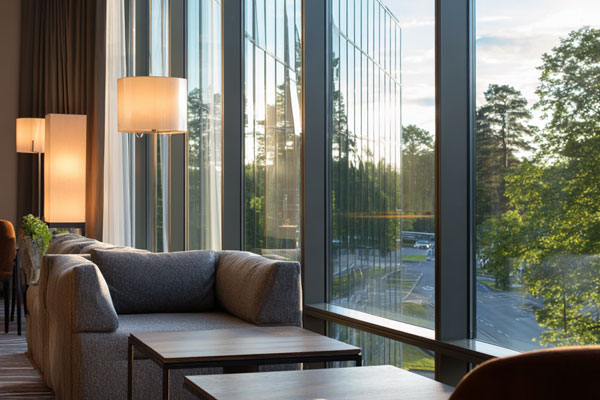
Beyond light and views, glass must also perform acoustically and thermally. In a hotel project located along a busy highway, the use of double-glazed performance units with air gaps significantly reduced noise levels while preserving views—eventually making roadside rooms more desirable than expected.
Such examples show that transparency and comfort are not mutually exclusive when glass is detailed correctly.
Glass in the Future of Dense Indian Cities
As land becomes scarce and cities densify, glass will play a crucial role in maintaining visual openness and psychological relief. Energy-efficient, self-cleaning, and photovoltaic glass solutions will further support sustainability goals in an energy-conscious economy.
Used responsibly, glass can help buildings ‘look out’—both literally and metaphorically—in dense urban environments.
Lessons for the Next Generation of Architects
The most important takeaway for young architects is mindfulness. Glass is powerful, versatile, and expressive; however, it demands understanding, patience, and collaboration with experts. Architecture Glass should be seen not merely as a façade material, but as an experiential, cultural, and environmental mediator.
Author- Jahanavi Arora